
The conversation around office fit outs has changed.
It’s no longer about filling floor space with desks or refreshing an interior because it looks tired. Today, an office fit out sits at the centre of how a business operates, shaping productivity, culture and the everyday experience of the people using it.
Whether a project begins with a Cat A office fit out or progresses into a fully tailored Cat B office fit out, the real challenge is the same: creating a workplace that reflects how teams actually work, not how offices used to.
What is the difference between an Cat A and CAT B Office fit out? Find out more in our recent blog post. Office Fit Out vs Office Refurbishment – What’s the Difference?
When that balance is right, the office becomes an asset. When it isn’t, even the best intentions can fall flat.
What Is an Office Fit Out?
An office fit out is the process of transforming an interior space into a functional, purpose-built workplace.
This can range from preparing a space with a Cat A office fit out, providing essential infrastructure and compliance, through to a Cat B office fit out, where the environment is designed around a specific business and its people.
A well-considered office fit out typically includes:
Space planning and layout
Furniture, fixtures and finishes
Lighting, acoustics and building services
Technology integration
Brand expression and employee experience
This strategic approach closely aligns with the principles outlined in The Smart Approach to Maximising Office Space
The most effective fit outs always start with how the space needs to perform, not how it needs to look.
Why Office Fit Outs Matter More Than Ever
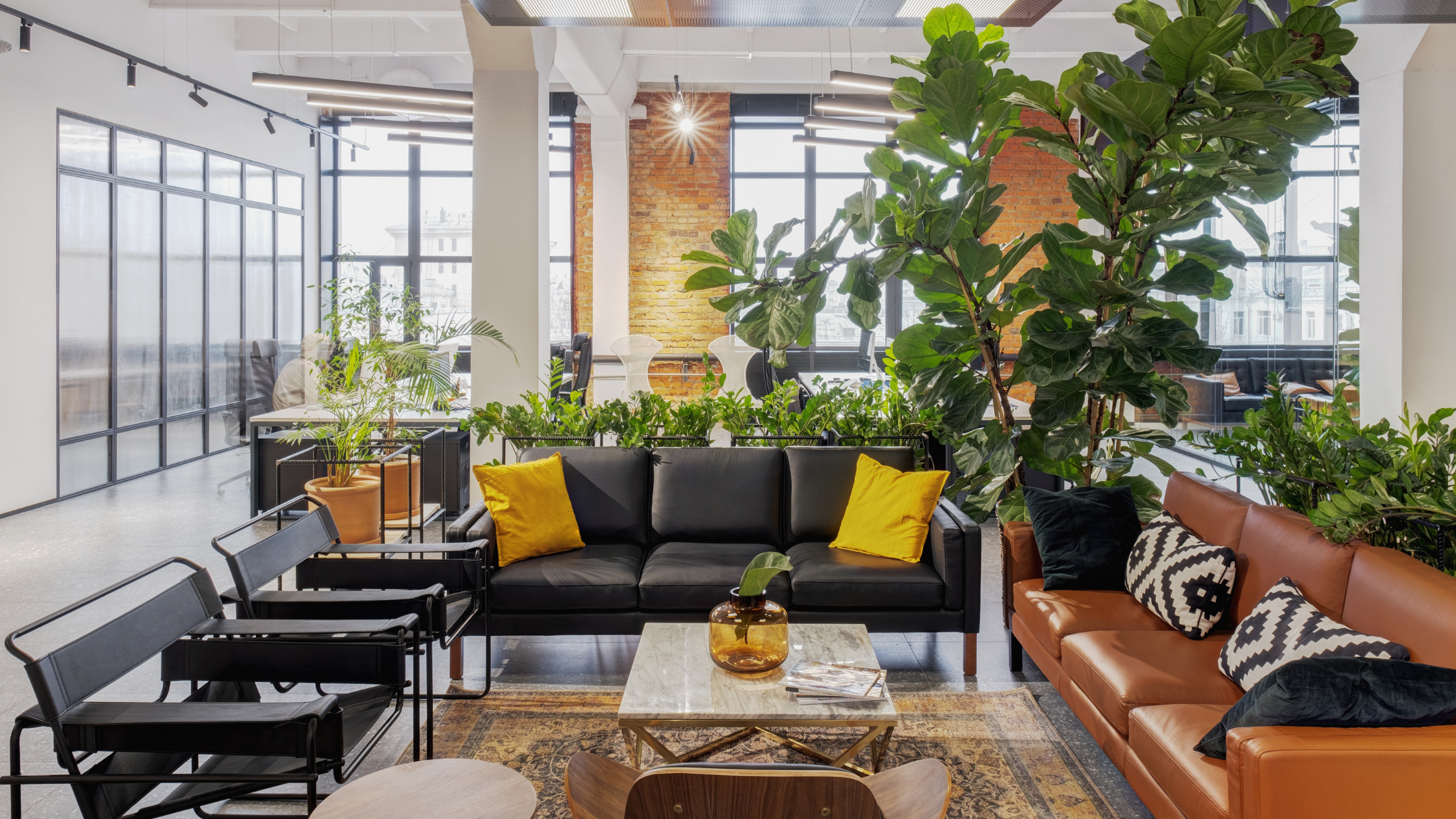
The role of the office has fundamentally changed. It’s no longer just somewhere people go to work, it’s where collaboration happens, culture is built and teams come together with purpose.
Whether enhancing a Cat A base build or delivering a full Cat B office fit out, modern workplaces need to:
Support hybrid and flexible working patterns
Improve productivity and reduce friction
Attract and retain talent
Make better use of available space
Remain adaptable as business needs evolve
This shift is explored further in How to Maximise Productivity with Smart Office Design, where layout and environment are shown to directly influence performance.
An office fit out should be a long-term enabler, not a short-term fix.
Key Elements of a Successful Office Fit Out
1. Space Designed for Purpose
Regardless of whether a space begins as a Cat A or Cat B office fit out, design should be driven by how people use it, not just how many desks fit on a floorplate.
Successful workplaces balance:
Collaboration areas for teamwork and meetings
Quiet zones for focused work
Informal spaces that encourage connection
Purpose-led planning ensures the office supports different working styles throughout the day, helping teams use space more efficiently and intentionally.
2. Flexibility Built In
Work patterns will continue to evolve, which means office fit outs must be designed to adapt. Flexible layouts, modular furniture and multi-use spaces allow both Cat A and Cat B office fit outs to change without major disruption.
This approach also supports sustainable, future-ready workplaces, a key theme explored in Sustainable Office Design.
3. Employee Experience and Wellbeing
Employee experience is central to performance and retention.
A thoughtful Cat B office fit out builds on Cat A foundations to consider:
Lighting and access to natural daylight
Acoustic comfort and reduced distraction
Ergonomic furniture and intuitive layouts
When people feel supported by their environment, productivity, wellbeing and engagement naturally improve.
4. Brand Reflected Through the Space
While Cat A office fit outs focus on functionality and compliance, Cat B office fit outs allow organisations to express who they are through their workspace.
This doesn’t mean over-branding. Instead, it’s about:
Materials, colours and finishes
Spatial flow and layout decisions
Subtle cues that reinforce culture and values
The result is an office that feels intentional, not generic.
5. Technology Integrated From the Start
Technology should never feel bolted on. Whether planning a Cat A infrastructure or delivering a Cat B office fit out, power, connectivity and collaboration tools must be considered early.
This ensures the office supports hybrid meetings, seamless collaboration and day-to-day efficiency without compromise.
Office Fit Outs as a Long-Term Investment
A strategic office fit out, from Cat A through to Cat B, is an investment in how a business operates now and how it grows in the future.
When aligned with organisational goals, it can:
Improve productivity and collaboration
Reduce future reconfiguration costs
Enhance employee satisfaction
Deliver measurable return on investment
This is explored in more detail in Why an Office Refit Is a Smart ROI Investment.
Designing Offices That Work
Office fit outs are most successful when form and function work together, creating environments that look good, feel good and genuinely support the way people work.
Whether you’re preparing a space with a Cat A office fit out or delivering a fully bespoke Cat B office fit out, thoughtful, people-led design makes all the difference.
For a broader view of how fit outs sit within commercial interiors as a whole, explore The Ultimate Guide to Commercial Interior Design.