As organisations continue to roll out return-to-office (RTO) mandates, an unexpected challenge is emerging:
Recent insights from LinkedIn News highlight that some companies are calling staff back into the office without sufficient desks or dedicated workstations, leaving employees to compete for seats or improvise workspaces in common areas. A scenario that’s generating frustration, stress and a sense of chaos in the workplace.
This isn’t just a logistical oversight.
It reflects a deeper misalignment between how office space is currently designed, and what work actually needs in the post-pandemic era.
The Space Crunch: What’s Happening?
After years of hybrid and remote working, many employers downsized their real estate footprint or reduced desk counts, anticipating fewer people in the office.
Now, as organisations insist on more in-person days, the physical environment simply hasn’t kept up:
Employees are being asked to return without clearly assigned desks or sufficient workspace. LinkedIn
In some cases, workers have been forced to set up in breakout areas, hallways or shared spaces just to get work done. Business Insider
At larger firms such as Amazon and JPMorgan, workers have reported shared desks, crowded spaces, and in some cases real competition over seating. Business Insider
What’s clear from these early responses is that simply “bringing people back” isn’t enough, the office needs to be a place where people can meaningfully work, not just show up.
Why This Matters for Businesses
Office space isn’t just a line on a real estate balance sheet, it’s a critical part of a company’s talent, culture and productivity strategy. When space planning is treated as an afterthought, it can lead to:
Lower employee satisfaction and higher stress: Workers who can’t find a reliable workspace may feel unsupported. LinkedIn
Reduced productivity: Searching for a desk, squeezing into shared areas or joining meetings from the cafeteria don’t foster focused collaboration. LinkedIn
Culture and retention challenges: If the office experience feels unmanaged or uncomfortable, employees are more likely to question the benefits of returning full-time. LinkedIn
A New Approach to Office Space, Designed for Today’s Work
At WOWVI Spaces, we believe the office should be more than just a desk, it should be intentionally designed to support how teams actually work. That means shifting from traditional occupancy models to flexible, purpose-driven work environments.
Here are key design strategies organisations should consider:
1. Plan for Purpose, Not Presence
Successful modern offices are designed around activities, not headcounts. Before deciding real estate needs, organisations should identify what work benefits most from being in the office, whether that’s collaborative strategy sessions, client meetings, creative workshops or team building.
2. Flexible Workzones Over Fixed Desks
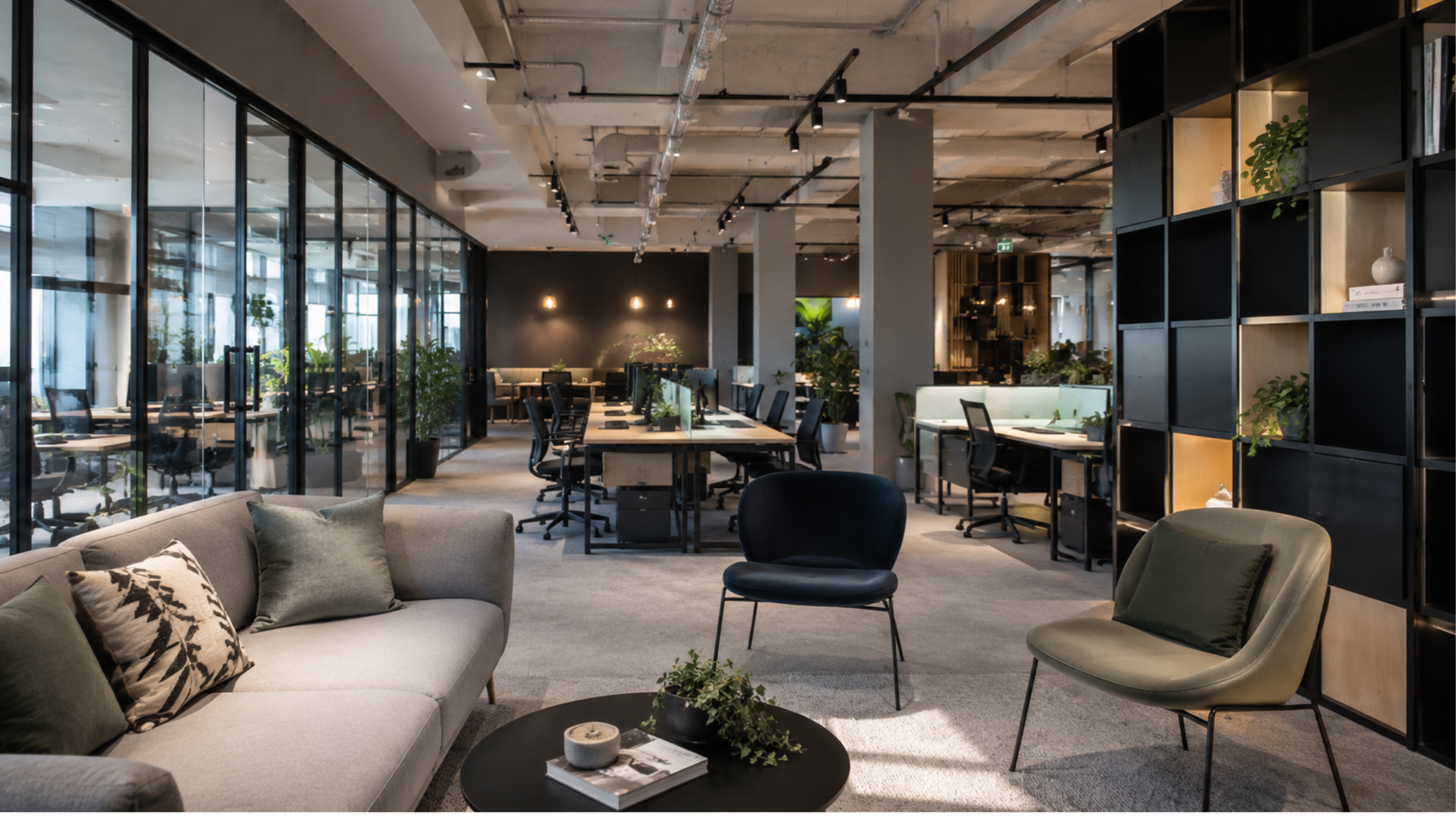
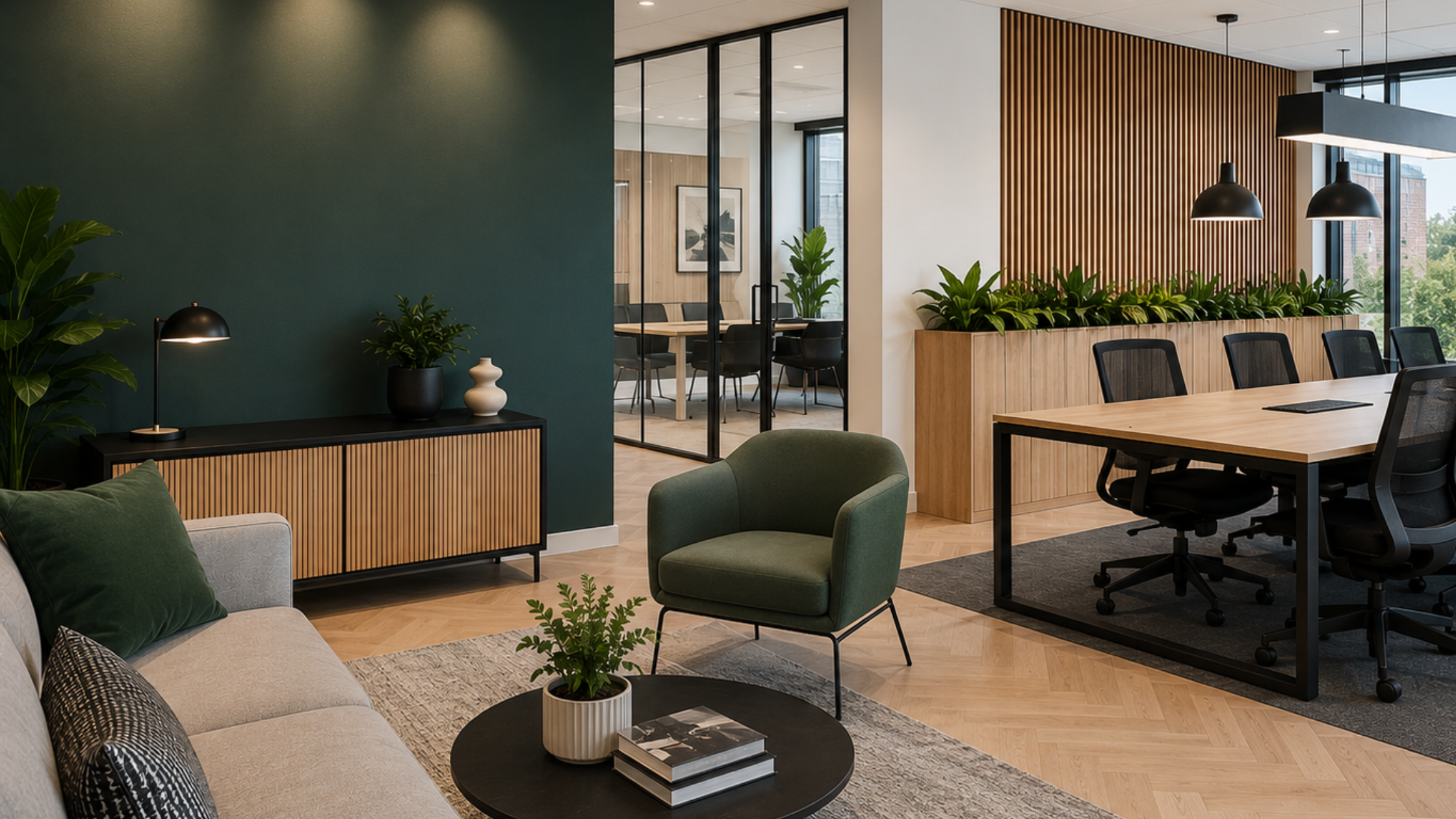
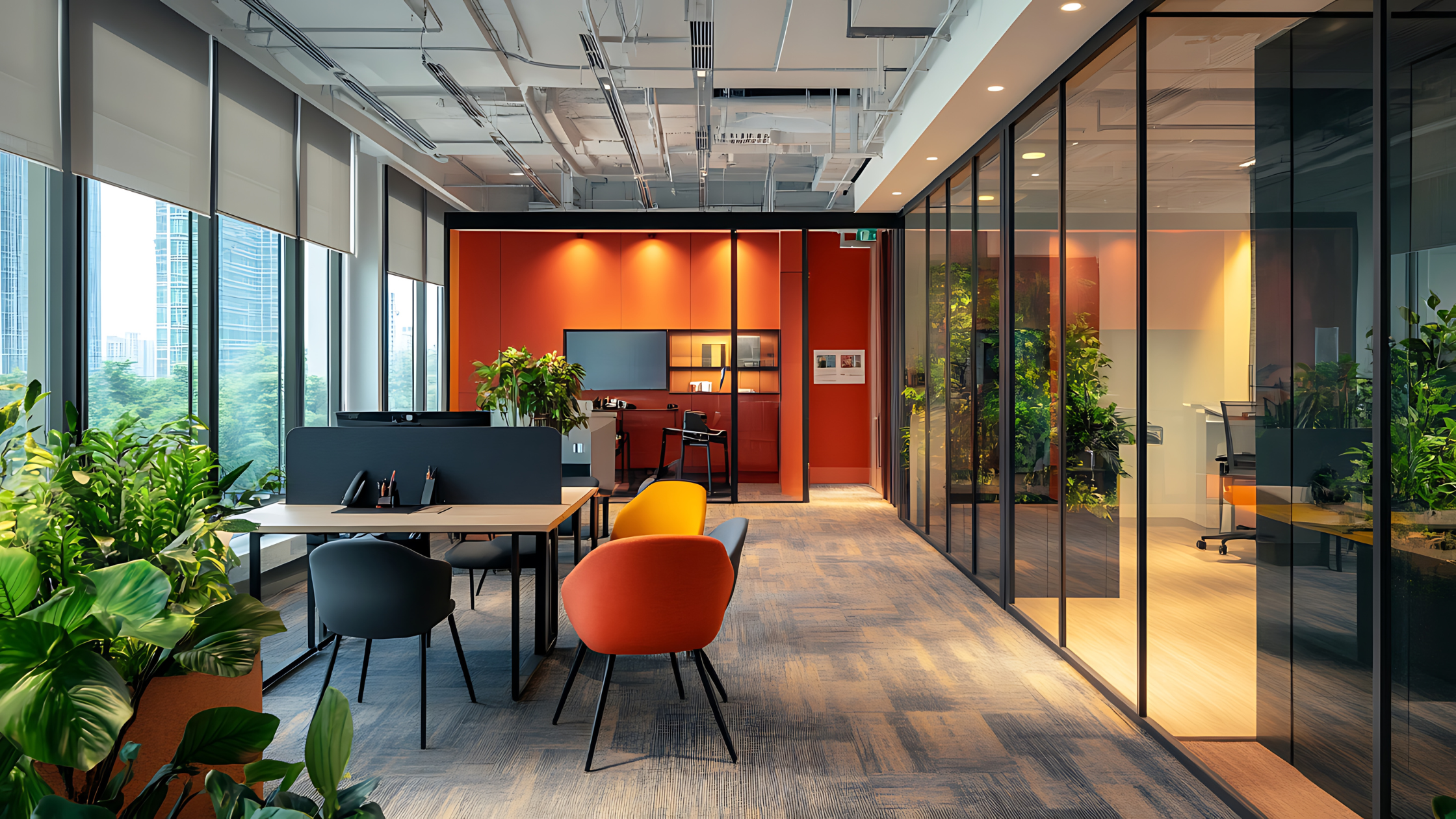
Hybrid working patterns mean not everyone needs a personal desk every day. A mix of touchdown spaces, bookable desks, collaboration booths, and quiet zones allows teams to choose the best environment for their task, boosting comfort and choice.
Discover practical design ideas for flexible, high-performance spaces, read The Smart Approach to Maximising Office Space.
3. Data-Driven Space Utilisation
Today’s best workplaces use occupancy insights, utilisation metrics and people feedback to inform future layouts, ensuring the space evolves with how work is done.
4. Prioritise Comfort and Wellbeing
Simple elements like ergonomic seating, natural light, sound control and clear wayfinding not only support productivity but also signal to employees that their experience matters.
The Future of Office. Reimagined
The recent stories about space shortages are a reminder that return-to-office policies can’t succeed without the right environment behind them. Simply mandating days in the office won’t move the needle unless the workspace itself enables collaboration, focus and connection.
Organisations that embrace thoughtful space design, leveraging flexibility, technology and human-centric planning, will be the ones who not only bring employees back, but also bring meaning back to being together in person.
Re-thinking your office space? If your return-to-office plans are being held back by layout, capacity or flexibility issues, WOWVI Spaces can help you design a workplace that actually works for the way your teams operate today.
Start a conversation with our workplace design experts.